


UNESCO Recognition of Italian Cuisine
On December 10, 2025, UNESCO officially inscribed Italian cuisine as an Intangible Cultural Heritage of Humanity, marking an unprecedented achievement. Italy is the first nation ever to have its entire national culinary tradition recognized as a single living heritage rather than celebrating only individual dishes or specific food practices.
The UNESCO decision honors Italian cooking not merely as a set of recipes, but as a vibrant cultural, social, and emotional expression that binds families, communities, and landscapes together. Italian cuisine, from daily meals to ceremonial feasts, is celebrated as a tradition that transmits values, creativity, and identity across generations.
This recognition goes beyond pizza and pasta. It includes the full richness of Italy’s culinary diversity, from mozzarella and wine to regional specialties deeply rooted in local terroir.
What This UNESCO Status Means
UNESCO’s inscription of Italian cuisine highlights:
- Living traditions of food preparation and sharing that reflect regional diversity.
- Culinary practices as social rituals that strengthen family and community bonds.
- Italian food as a symbol of national identity and global cultural influence.
This status is expected to enhance Italy’s global appeal as a destination for culture and gastronomy, reinforcing its tourism sector and encouraging visitors to explore Italian food traditions at their source.

Italian Food and Weddings A Perfect Cultural Match
For couples choosing Italy as their wedding destination, this UNESCO recognition confirms what many already know. Food is central to the Italian experience and to celebrations of love.

The Full Immersion Culinary Experience
A wedding in Italy is not just a beautiful event. It is a journey through flavors that begins long before the ceremony and continues well afterward.
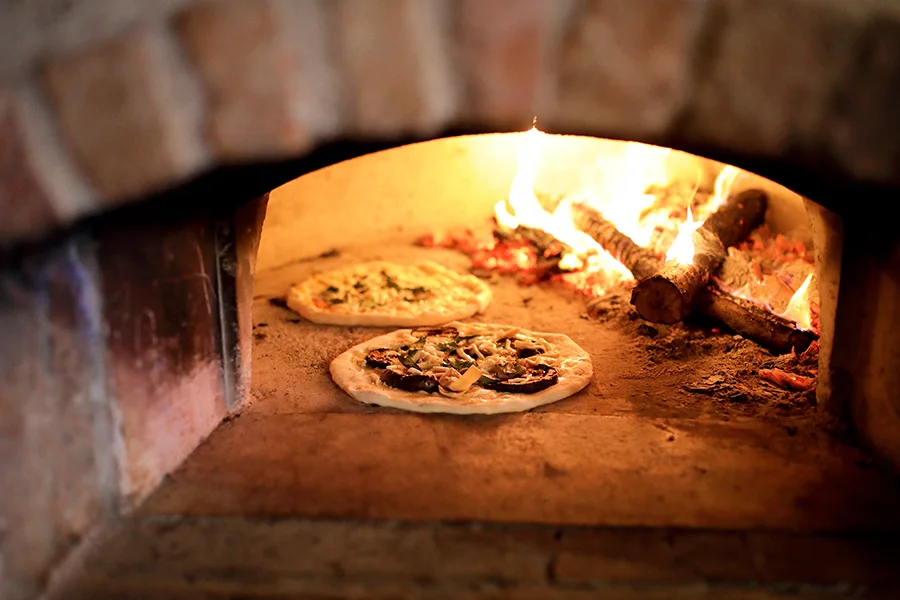
- Rehearsal dinners featuring world famous pizza made with San Marzano tomatoes and mozzarella di bufala from Campania.
- Welcome dinners and tasting evenings showcasing regional specialties such as Tuscan pecorino and ribollita, Sicilian arancini, Venetian cicchetti, and Roman carbonara.
This is not just dining. It is a cultural storytelling experience that connects guests to the land, history, and people of Italy.
The Wedding Day as a Culinary Celebration
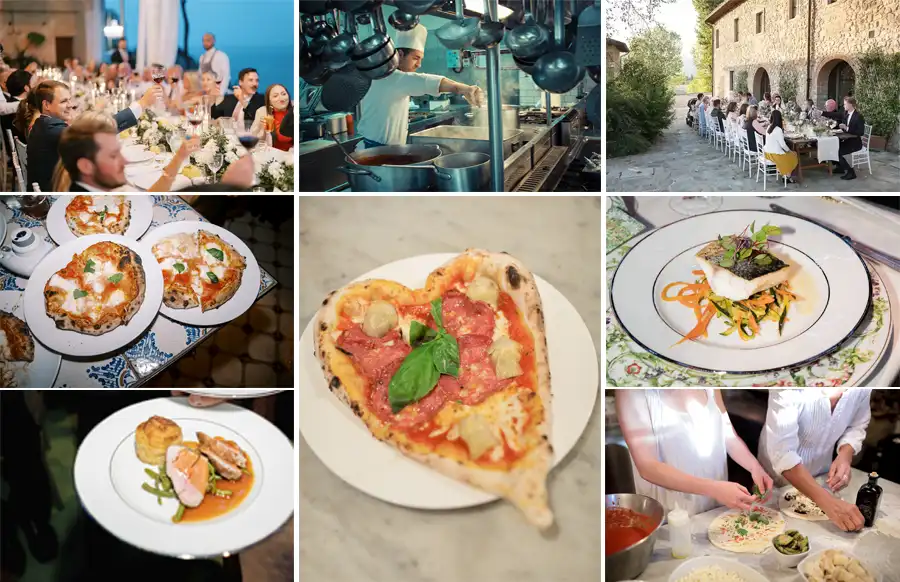
On the wedding day itself, Italian food becomes an emotional centerpiece.
- Antipasti showcasing local produce and artisanal products.
- Primi courses such as handmade pasta with rich ragù or orecchiette with fresh greens.
- Secondi and contorni that tell regional stories including ribollita from Tuscany, parmigiana di melanzane from Campania and Sicily, saltimbocca alla romana from Lazio, and baccalà mantecato from Veneto.
These are not simply meals. They are joyful expressions of place, love, and community that create lifelong memories.
Beyond the Big Day Experiences That Last
- Brunch gatherings with local cheeses, breads, and cured meats.
- Market tours with expert guides introducing guests to Italy’s freshest ingredients.
- Wine tastings and vineyard excursions in Chianti, Barolo, and Sicily’s Mount Etna wine routes.
In Italy, guests do not simply attend a wedding. They live the culture, and food is the most delicious way to experience it.
Why This Matters for Destination Weddings
- Strengthens Italy’s position as the premier destination for couples seeking beauty and authentic cultural experiences.
- Encourages travel motivated by gastronomy and local traditions.
- Enhances wedding storytelling by linking events to a living heritage recognized worldwide.
Conclusion
Italy’s UNESCO recognition for its national cuisine is more than a milestone. It is a powerful affirmation of why Italy remains the world’s most sought after destination for weddings and events.
Here, food is not a detail. It is a living heritage that enriches connections, creates unforgettable moments, and celebrates life itself.
In Italy, love is not only spoken. It is tasted.


