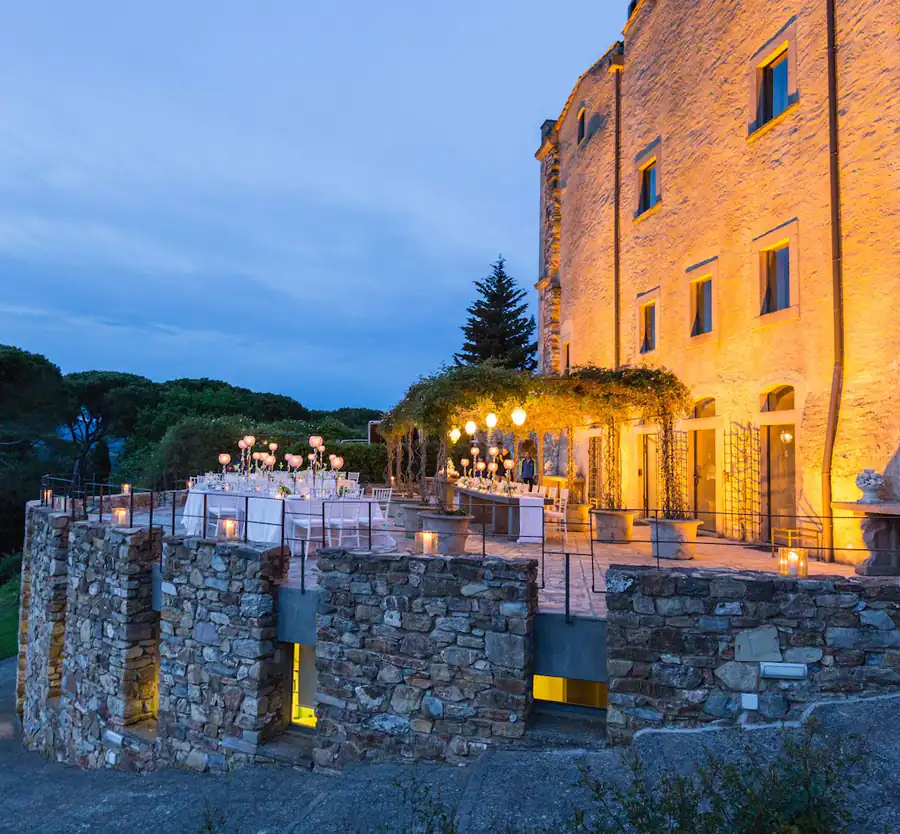
Wedding Accommodation in Italy: How to Choose the Right Stay for Your Destination Wedding Guests
Destination Wedding Guest Accommodation in Italy
Villas, hotels, room blocks and guest logistics for international weddings
Choosing the right accommodation for a destination wedding in Italy is not simply a logistical decision. It is one of the most important choices in shaping the atmosphere, rhythm and emotional experience of the entire wedding celebration.
Where your guests sleep, how close they are to each other, how they move between events, and whether they share breakfasts, pool moments, welcome drinks or relaxed mornings together can completely transform the feeling of the wedding.
For some couples, accommodation is only a practical necessity. For others, it becomes part of the wedding itself: a family reunion, a cultural gathering, a multi-day celebration, or a once-in-a-lifetime journey shared with the people they love most.
At WeddingsItaly, we help couples understand which accommodation strategy best reflects their wedding vision, guest list, culture, budget and emotional priorities.
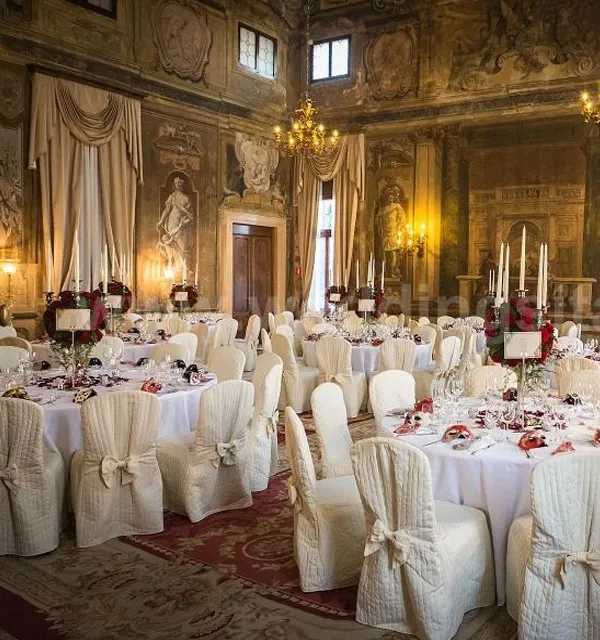
Why Accommodation Matters in a Destination Wedding
In a destination wedding, guests are not simply attending a ceremony and dinner. They are traveling, often internationally, to live a complete experience. Accommodation affects:
- the comfort of your guests
- the timing of each event
- transportation logistics
- privacy
- budget management
- family dynamics
- guest interaction
- the emotional tone of the celebration
- the possibility of transforming the wedding into a true reunion
A hotel room block, for example, is commonly used to secure a group of rooms at agreed conditions for wedding guests, helping simplify booking and often offering more controlled rates. But in Italy, especially for luxury destination weddings, the question is much deeper than “where will everyone sleep?” The real question is: Do you want your guests simply to attend the wedding, or do you want them to live the wedding journey together?
The First Decision: All Guests Together or Accommodation Spread Around the Area?
Every accommodation strategy begins with one essential choice. Should everyone stay in one place, or should guests stay in different hotels and villas nearby? There is no universal answer. The right solution depends on the number of guests, the style of wedding, the region, the venues selected, and the type of experience the couple wants to create.
Option 1: Everyone Staying Together in One Property
This is often the preferred solution for:
- Indian weddings
- Jewish weddings
- multi-day celebrations
- families who want to spend extended time together
- couples who want a resort-style wedding experience
- events with many shared moments beyond the ceremony and reception
Indian weddings, in particular, are often multi-day celebrations where each event has its own setting, atmosphere and ritual importance. Destination properties with space and flexibility are especially suited to this type of celebration.
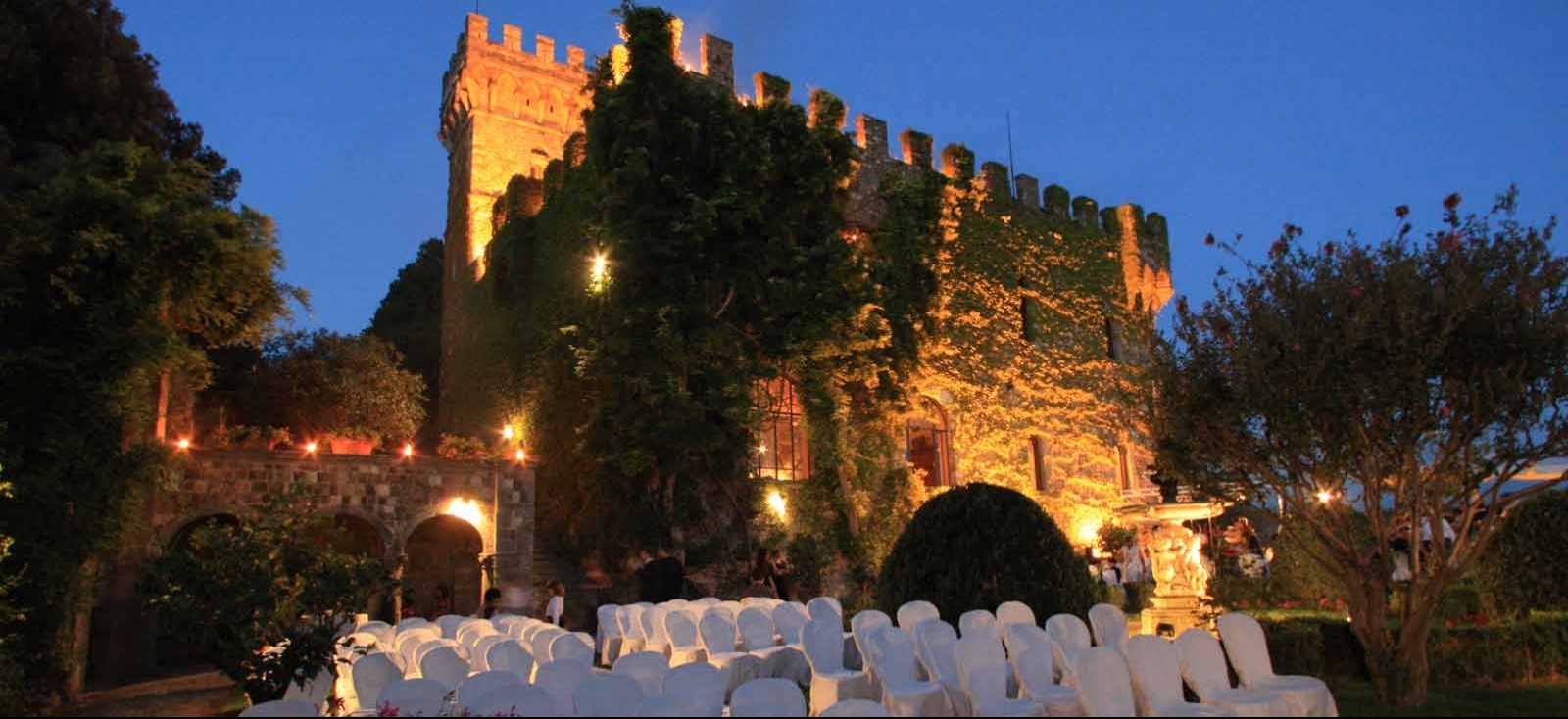
Advantages
When all guests stay in one property, the wedding becomes immersive. Guests meet at breakfast, relax by the pool, cross paths during the day, get ready together, and naturally feel part of a shared celebration. This creates:
- stronger emotional connection
- easier logistics
- simpler transport management
- better control over timing
- more privacy
- stronger group energy
- a greater sense of celebration
This solution is ideal when the wedding is not only a ceremony, but a full reunion.
Possible Challenges
The property must have enough rooms, suitable event spaces, good food and beverage capacity, strong service standards, and flexibility for multiple events. In Italy, many of the most beautiful villas, castles and historic properties do not have enough bedrooms for all guests. This means the couple may need to choose between the charm of a unique venue and the convenience of full on-site accommodation.
Option 2: Couple and Close Family On Site, Other Guests Nearby
This is one of the most common and elegant solutions in Italy. The couple, immediate family and closest friends stay at the main villa, estate, castle or luxury hotel, while other guests are accommodated in selected hotels nearby. This works beautifully when:
- the main venue is extraordinary but has limited rooms
- the couple wants privacy with close family
- guests have different budgets
- the wedding takes place in Tuscany, Lake Como, Amalfi Coast, Puglia, Sicily or Umbria
- the area offers charming hotels, boutique properties and villas nearby
Advantages
This solution allows the couple to preserve intimacy while still offering guests a curated accommodation experience. It also gives more flexibility. Some guests may prefer a five-star hotel, others a charming boutique hotel, others a family-friendly solution. Experts often recommend considering different guest preferences and budgets when selecting accommodation options for a destination wedding.
What Must Be Managed Carefully
This strategy requires strong planning. You need to consider:
- distance between hotels and venues
- shuttle timing
- late-night transfers
- guest check-in and check-out
- welcome bags
- hospitality desk or concierge support
- who pays for what
- communication through the wedding website
The success of this model depends on how well the accommodation map is designed.
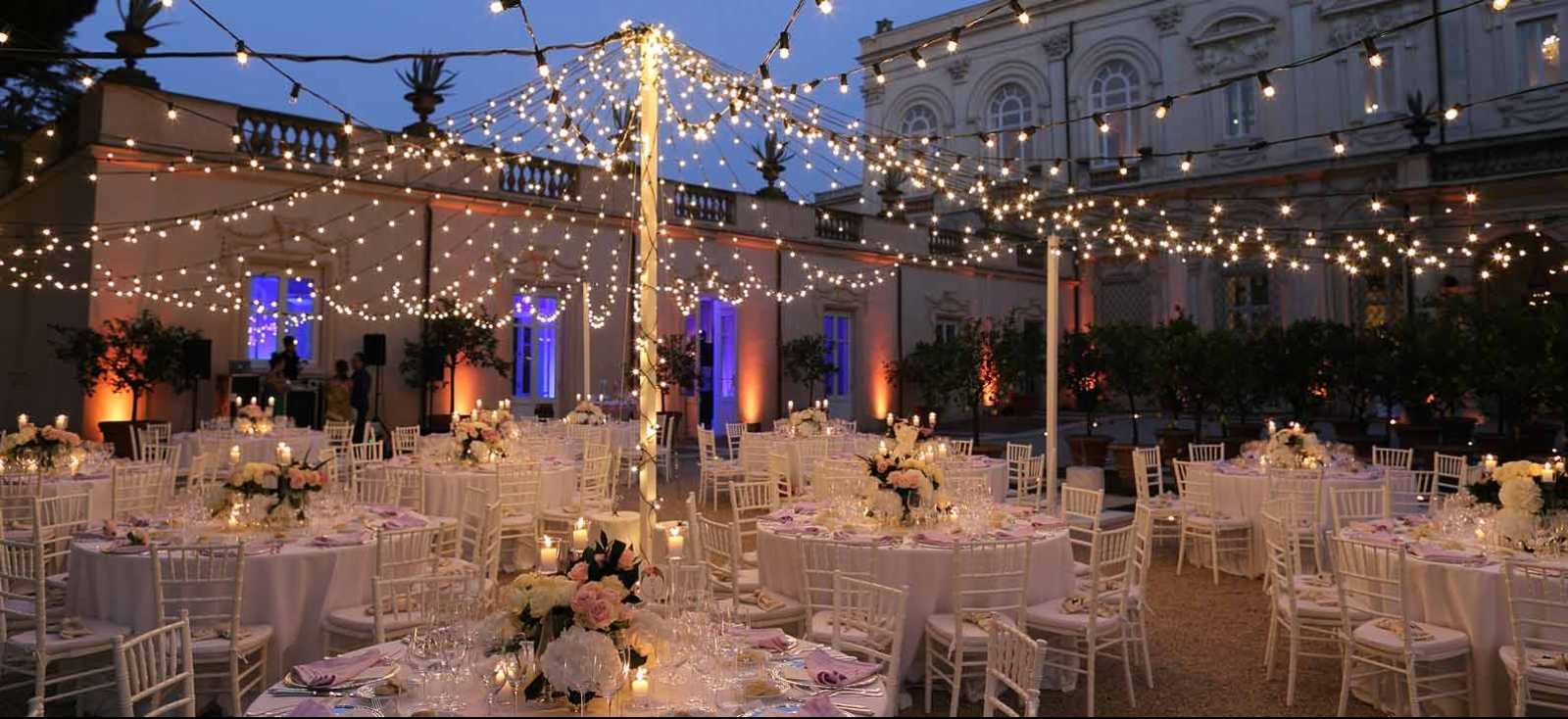
Option 3: A City Wedding Where Everything Is Walking Distance
A city wedding offers a completely different accommodation philosophy. In cities such as Florence, Rome, Venice, Milan, Verona or Palermo, guests can stay in several hotels while still being close to the wedding venues, restaurants, churches, museums and after-party locations.
This is ideal for couples who want:
- culture
- restaurants
- art
- nightlife
- flexibility
- independent guest movement
- less dependence on shuttles
- a more cosmopolitan wedding experience
A wedding in Florence, for example, may allow guests to walk from their hotel to a welcome dinner, visit museums during the day, attend a ceremony in a historic church, and reach the reception in a palace or villa nearby.
Advantages
- guests feel independent
- many hotel categories are available
- transportation can be reduced
- guests can enjoy the city before and after the wedding
- ideal for smaller or medium-sized destination weddings
Possible Challenges
City weddings require careful control of:
- traffic restrictions
- pedestrian distances
- luggage logistics
- elderly guests
- formalwear comfort
- rain plans
- late-night returns
Walking distance is a luxury only when it is realistically planned.
Accommodation as a Wedding Experience, Not Just a Place to Sleep
One of the most important questions for a couple is: Do you want the wedding to feel like a reunion? If the answer is yes, accommodation becomes central. A reunion-style destination wedding may include:
- shared breakfasts
- poolside afternoons
- informal family lunches
- pre-wedding rituals
- welcome drinks
- casual gatherings
- recovery brunch
- spa moments
- private excursions
- wine tastings
- boat trips
- cooking classes
In this case, accommodation should support human connection. The property should not only be beautiful. It should allow people to spend time together naturally.
Accommodation for Large Weddings
For weddings with 150, 200, 300 or more guests, accommodation becomes a strategic operation. Large weddings require:
- room block strategy
- different hotel categories
- transport plans
- hospitality management
- guest communication
- arrival and departure coordination
- contingency planning
Room blocks are useful because they can secure rooms, protect availability and help guests access pre-negotiated conditions. However, room blocks are also contractual tools. They can involve deadlines, release dates and potential financial obligations if not managed correctly. For this reason, couples should never treat accommodation as a last-minute detail.
Accommodation for Small Weddings
For intimate weddings, accommodation can become more personal and poetic. A couple with 20 to 50 guests may choose:
- a private villa
- a boutique hotel
- a countryside estate
- a small luxury resort
- a historic residence
- a seaside property
In this case, the accommodation can become the emotional heart of the wedding. Guests may spend several days together, almost as if they were part of a private house party. This works especially well in:
- Tuscany
- Umbria
- Puglia
- Lake Como
- Sicily
- Amalfi Coast
- Chianti
- Val d’Orcia
Cultural Considerations: Indian, Jewish, Middle Eastern and International Weddings
Different cultures have different expectations around accommodation.
Indian Weddings
Indian weddings often involve several days of events, family gatherings, rituals, music, hospitality and guest interaction. A resort or estate where many guests can stay together is often ideal, especially when events include welcome parties, mehndi, haldi, sangeet, ceremony and reception.
Jewish Weddings
Jewish weddings may require proximity for family, religious timing, kosher catering logistics, Shabbat considerations and community moments. Accommodation should be evaluated not only for comfort, but also for religious and cultural practicality.
Middle Eastern and Lebanese Weddings
These weddings often have strong family presence, high hospitality expectations, late-night celebrations and multi-generational guest lists. Accommodation should offer comfort, privacy, elegance and easy transfers.
American and British Weddings
Guests often expect clear booking instructions, room blocks, wedding website information, transport details and suggestions across different budgets.
Who Pays for Guest Accommodation?
This depends on culture, budget, expectations and the type of wedding. In many Western destination weddings, guests usually pay for their own accommodation, while the couple may negotiate room blocks or recommend hotels. In other cultural contexts, especially for some large family-based weddings, accommodation and meals may be handled more collectively. The key is clarity. Couples should decide early:
- Are guests paying directly?
- Is the couple covering some rooms?
- Are family members covered?
- Are VIP guests treated differently?
- Are meals included?
- Is transport included?
- Are there different options for different budgets?
A lack of clarity can create discomfort. A well-planned accommodation policy creates peace.
Key Questions Every Couple Should Ask
Before choosing accommodation, couples should ask:
- How many guests are we inviting?
- How many guests will realistically travel?
- Do we want everyone together?
- Do we want the wedding to feel like a reunion?
- Do we need multiple hotels for different budgets?
- Do we want guests to walk, drive or use shuttles?
- Are there elderly guests or families with children?
- Are there religious or cultural requirements?
- How many events will guests attend?
- Do we need privacy from other hotel guests?
- Is the wedding venue also the accommodation venue?
- What happens after midnight?
- Who manages guest questions?
- Who pays for rooms, meals and transfers?
- What is the check-in and check-out strategy?
The Italian Reality: Beauty and Complexity
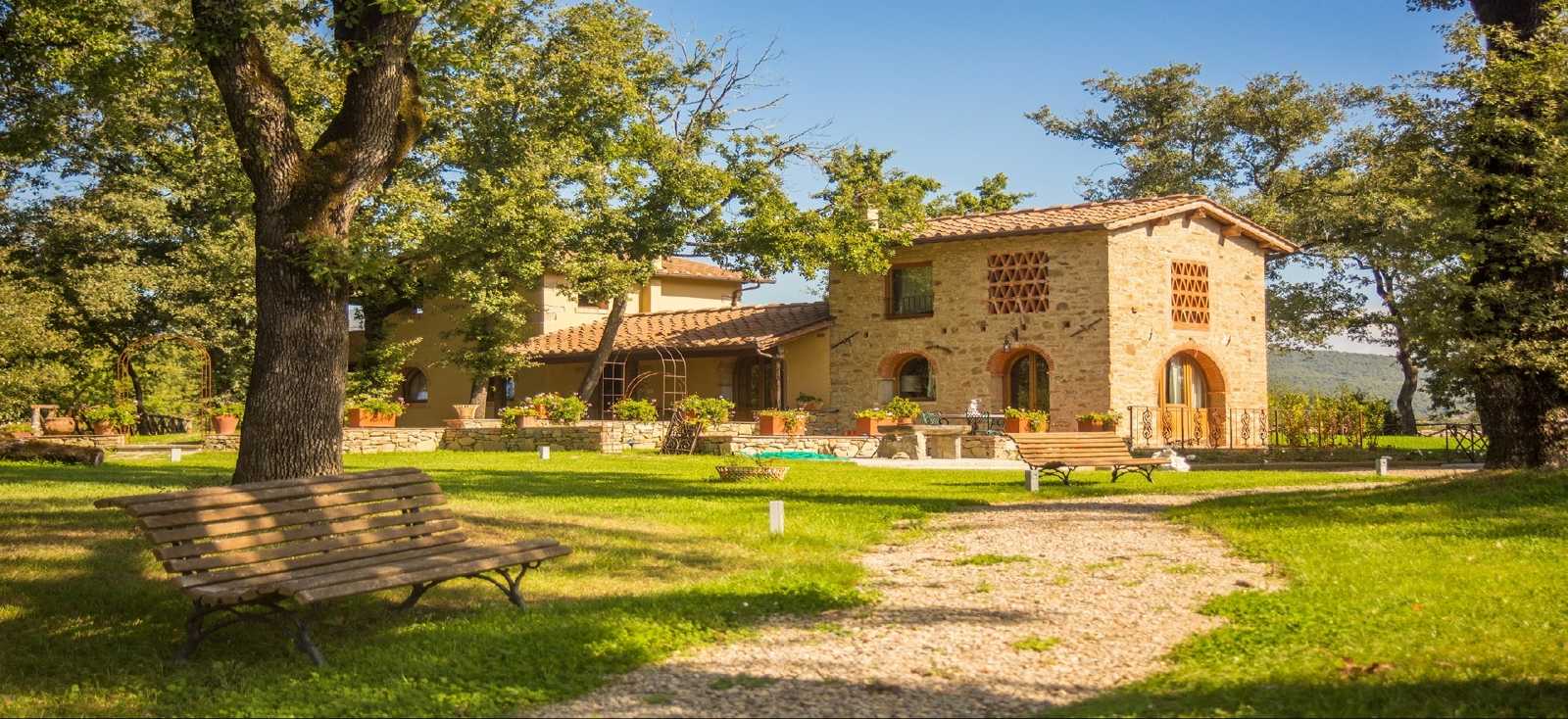
Italy offers extraordinary accommodation possibilities, but it also requires experience. Unlike some resort destinations where the wedding, rooms, restaurants and events are all inside one large property, Italy often works differently. The most beautiful wedding venue may be:
- a private villa with limited bedrooms
- a castle with no hotel service
- a historic palace in a city center
- a beach club without accommodation
- a masseria with limited capacity
- a lake villa with strict access rules
- a countryside estate surrounded by small hotels
This is why destination wedding accommodation in Italy must be designed, not improvised.
Our Method: Designing the Accommodation Strategy
At WeddingsItaly, we analyze accommodation as part of the full wedding architecture. We consider:
- guest number
- event schedule
- geography
- transport
- budget
- cultural expectations
- family structure
- privacy
- flow of the weekend
- guest experience
- hospitality standards
Our goal is not only to find rooms. Our goal is to create the right human geography for the wedding. Who should stay close to whom? Who needs privacy? Who needs assistance? Who will attend every event? Who will join only the wedding day? Where will people naturally meet? Where will the emotional center of the wedding be? These questions define the true accommodation strategy.
The Best Accommodation Models for Weddings in Italy
1. Full Buyout
Best for couples who want privacy, control and a fully immersive experience. Ideal for:
- luxury resorts
- masserie
- castles
- villas
- boutique hotels
2. Main Venue Plus Nearby Hotels
Best for couples who want a spectacular venue but need more bedrooms nearby. Ideal for:
- Tuscany
- Lake Como
- Amalfi Coast
- Puglia
- Sicily
3. City Hotel Cluster
Best for cultural weddings where guests can move easily. Ideal for:
- Florence
- Rome
- Venice
- Milan
- Verona
4. Multi-Level Accommodation Plan
Best for large international weddings with different guest budgets. Includes:
- luxury hotel
- mid-range hotel
- family-friendly option
- apartments or villas
5. Family Villa Plus Guest Hotels
Best for couples who want intimacy with close family while keeping the larger guest group nearby.
Final Thought: Accommodation Defines the Wedding Rhythm
Accommodation is not a secondary detail. It defines how your guests wake up, meet, move, relax, celebrate and remember the wedding. A destination wedding in Italy can be a beautiful event, or it can become a shared life experience. The difference often begins with where people stay. At WeddingsItaly, we help couples create accommodation strategies that are elegant, practical and emotionally aligned with the meaning of their wedding. Because in a destination wedding, the rooms are not just rooms. They are part of the story.
YOUR WEDDING IN ITALY BEGINS HERE
Effortless, Beautiful, Unforgettable.